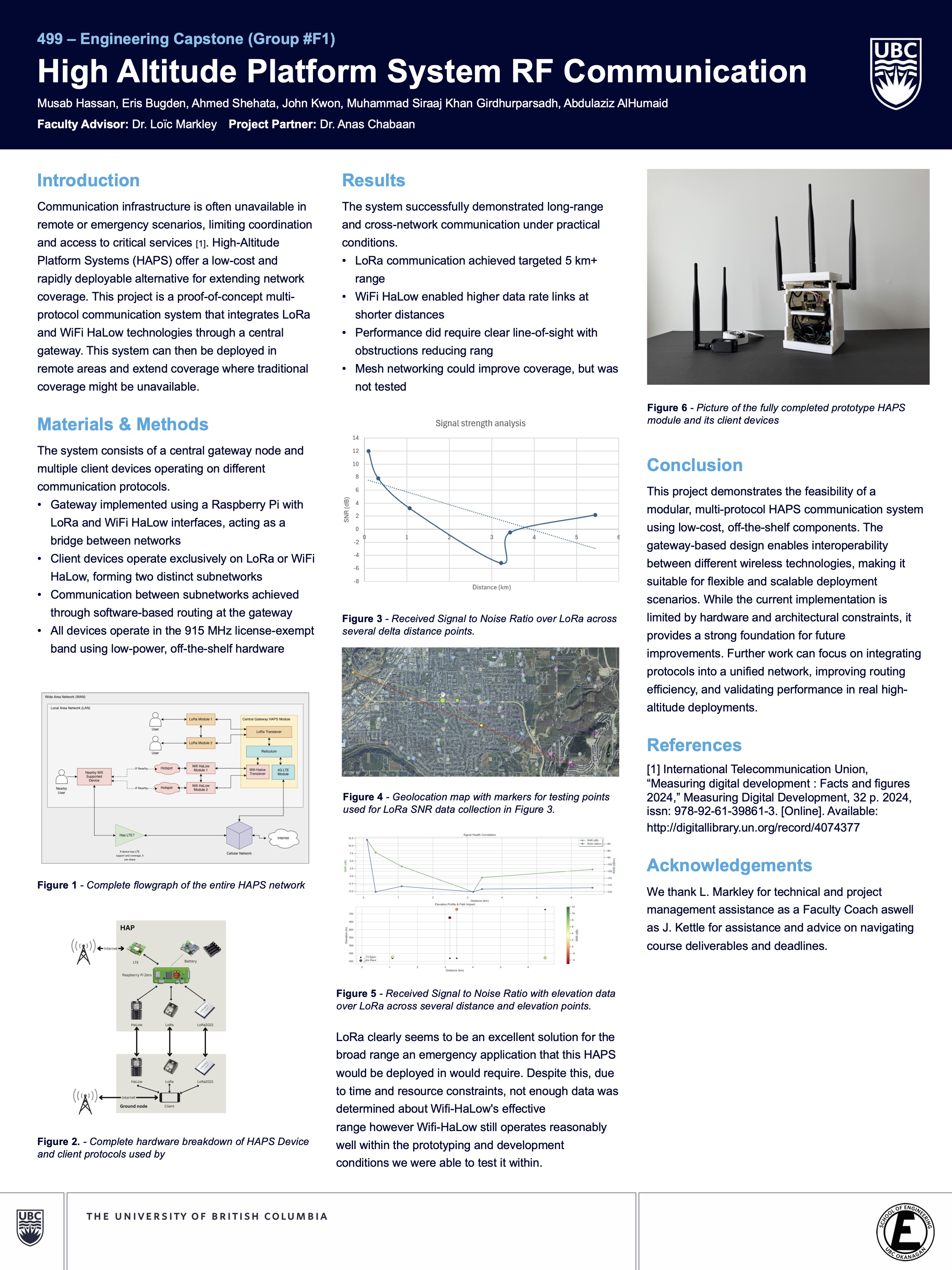
As the capstone project for my degree in Electrical Engineering, I worked with a student team of five to develop a modular high-altitude platform (HAP) communication system designed to provide low-bandwidth connectivity in remote and underserved regions. We worked with an industry partner to develop a proof-of-concept RF system that can be deployed in on somehting like a balloon or UAV based HAPS environment and provide coverage in emergency response situations such as remote forest fires or rescues, locations where expensive terrestrial infrastructure is not available.
The final prototype is a multi-protocol communication network consisting of a central HAPS gateway which uses long-range LoRa and higher-throughput Wi-Fi HaLow with an LTE backhaul to connect to LoRa and Wi-Fi HaLow clients on the ground, built using off-the-shelf components. This project was built using the full engineering design cycle, from concept selection to iterative prototyping and then real world deployment testing.
The Problem
Reliable connectivity remains a major challenge in rural areas, especially in northern Canada where a lot of areas are not populous enough to justify the cost of fibre deployment and tower infrastructure. This is especially a problem in emergency reponses where reliable communication is needed. This project aimed to address that gap by designing a lightweight, low-power communication payload capable of extending coverage using aerial platforms.
Based on this problem, our team developed some key objectives for this project.
- Enable bidirectional communication over multi-kilometer distances
- At least Support low-bandwidth applications (e.g., text messaging, low-bandwidth voice, emergency data)
- Maintain low power consumption and payload weight
- Design a modular system that can evolve beyond a proof-of-concept
Rather than building a full HAP system, the team's focus was on a scalable communication subsystem that could realistically be deployed on a balloon platform.
System Architecture Overview
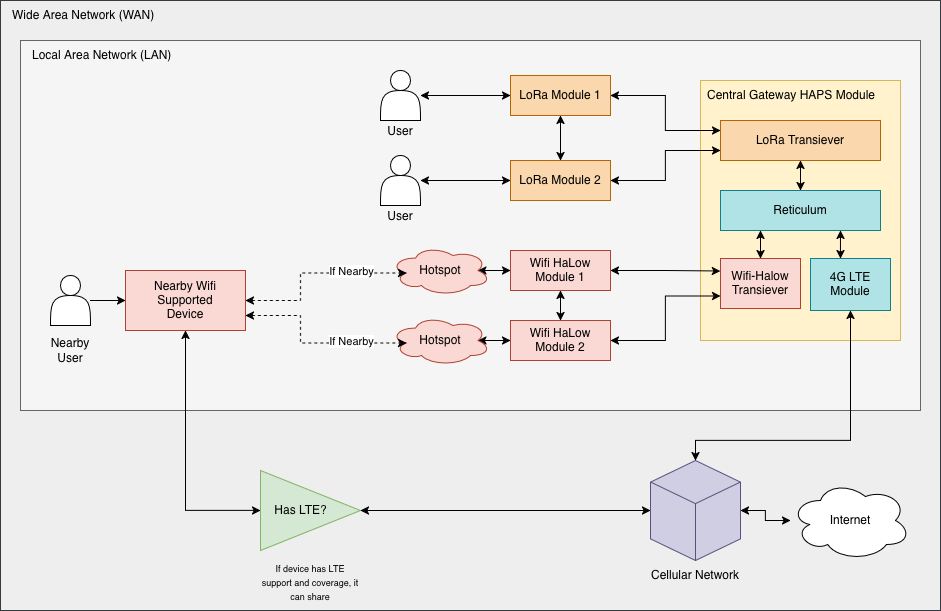
The final system is built around a Raspberry Pi Zero 2 W, acting as the central node that integrates multiple communication technologies:
- LoRa fallback which provides long-range, low-power communication
- Wi-Fi HaLow (802.11ah) when closer in range to the HAPS which provides moderate-range with higher throughput
- LTE (4G) to allow for cellular connectivity with the HAP if its deployed near a cell tower or meshed together
This layered architecture was decided after extensive consultation with the client and evaluation by the team. This configuration allowed the project to adapt to different communication scenarios, prioritizing range, throughput, or connectivity depending on conditions.
Design Evolution (Concept to Prototype)
Stage 1: Communication Method Selection
The project began with a lot of research which resulted in the team evaluating multiple wireless technologies, including:
- LoRa
- Wi-Fi HaLow
- SDR-based LTE
LoRa was selected as the baseline communication method due to its:
- Excellent range-to-power ratio
- Operation in sub-GHz bands (lower path loss)
- Simplicity and feasibility within project constraints
Stage 2: Minimum Viable Prototype (MVP)
The first working system post evaluation was a LoRa-based communication platform, built with:
- Raspberry Pi (host system)
- ESP32 + SX1262 (LoRa radio)
- Reticulum networking stack
This system was built on the meshcore firmware with basic communication over an MVP allowed us to achieve up to 350m of range in a heavy urban environment (within buildings). Once this proof of concept worked, we transitioned to the Reticulum firmware and tested a more realistic scenario of direct line-of-site environment with elevation (on a mountain) which achieved up to 8 km of range.
Stage 3: Iterative System Expansion
After validating the LoRa baseline, the system was expanded through iterations discussed with the client.
Iteration 1: LTE Integration
- Added internet backhaul capability
- Enabled communication beyond local networks
Iteration 2: Wi-Fi HaLow Integration
- Improved data throughput (~5 Mbps)
- Enabled direct device connectivity
- Did increase power consumption and system complexity
Iteration 3: Combined Multi-Protocol System
- Integrated LoRa + HaLow + LTE into a singular Reticulum network
- Provided maximum flexibility
- Reached system complexity limits
These iterations eventually led to the final project prototype.
Final Prototype Implementation
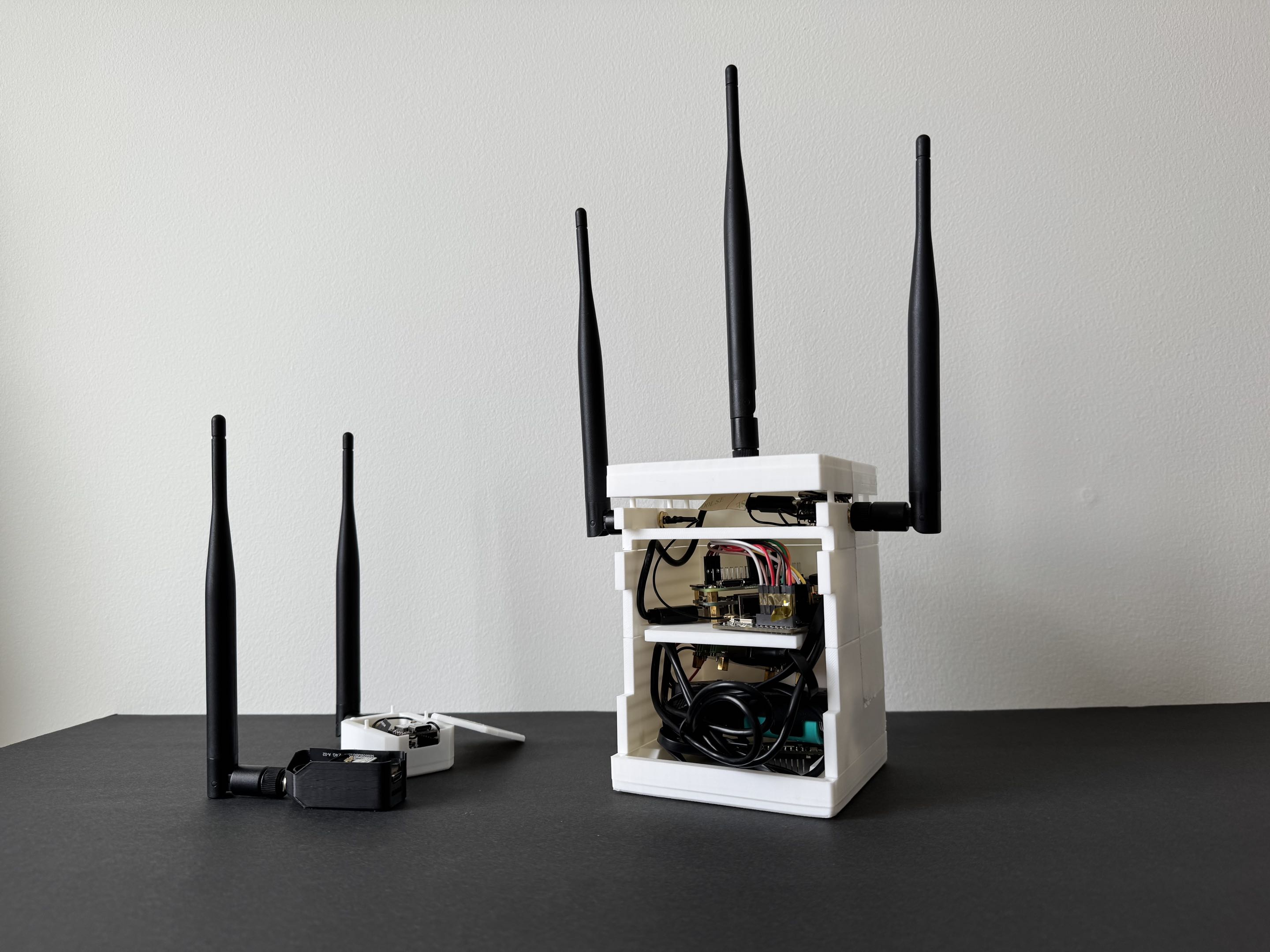
The final system integrates all three communication layers into a single central gateway which then connects to clients running either LoRa or Wifi-HaLow.
Specifications
- Raspberry Pi Zero 2 W (central controller)
- ESP32-based LoRa modules
- Wi-Fi HaLow (Morse Micro chipset)
- LTE modem (USB interface)
- Battery-powered system
- Reticulum networking protocol
Performance and Testing
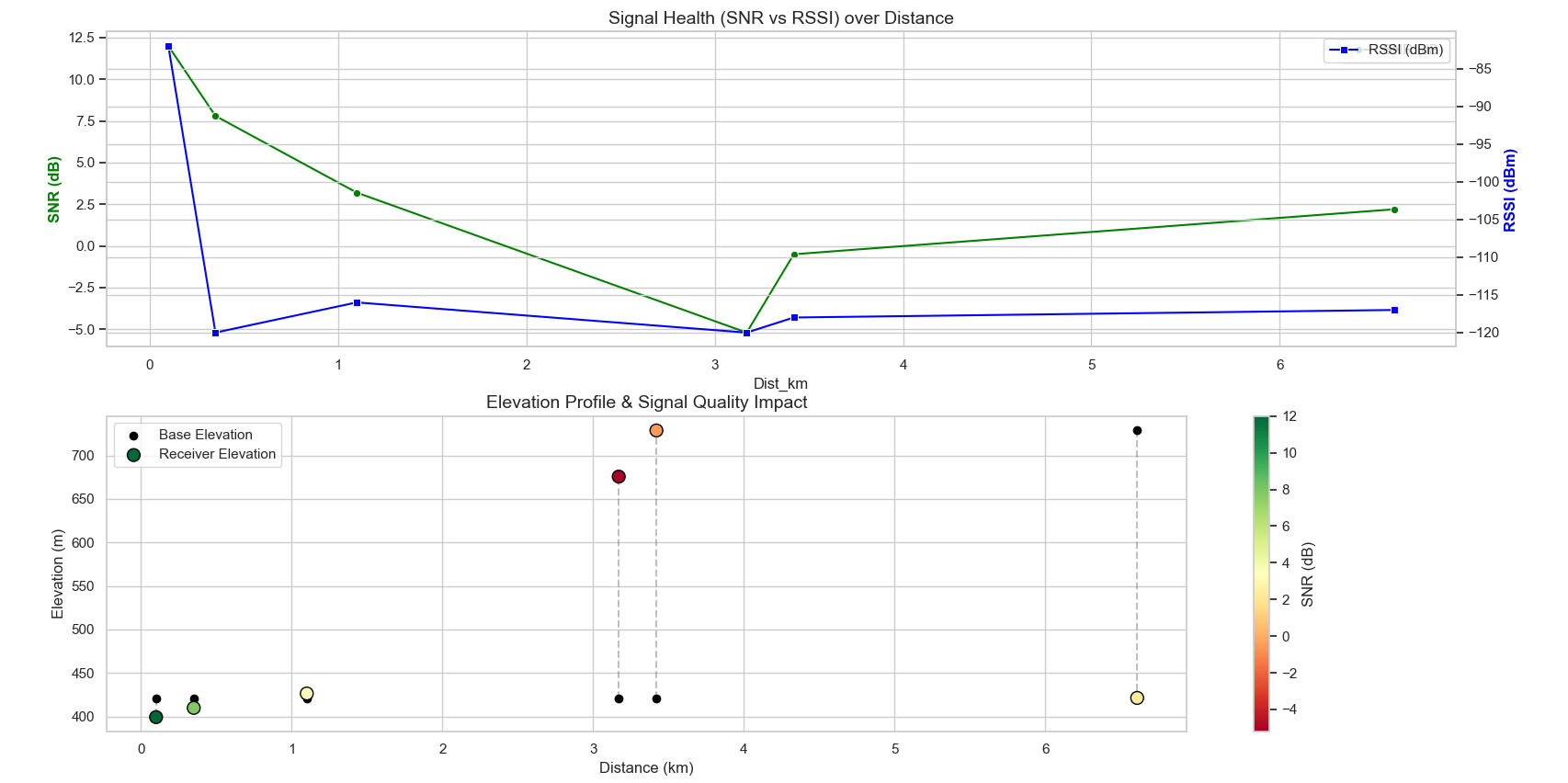
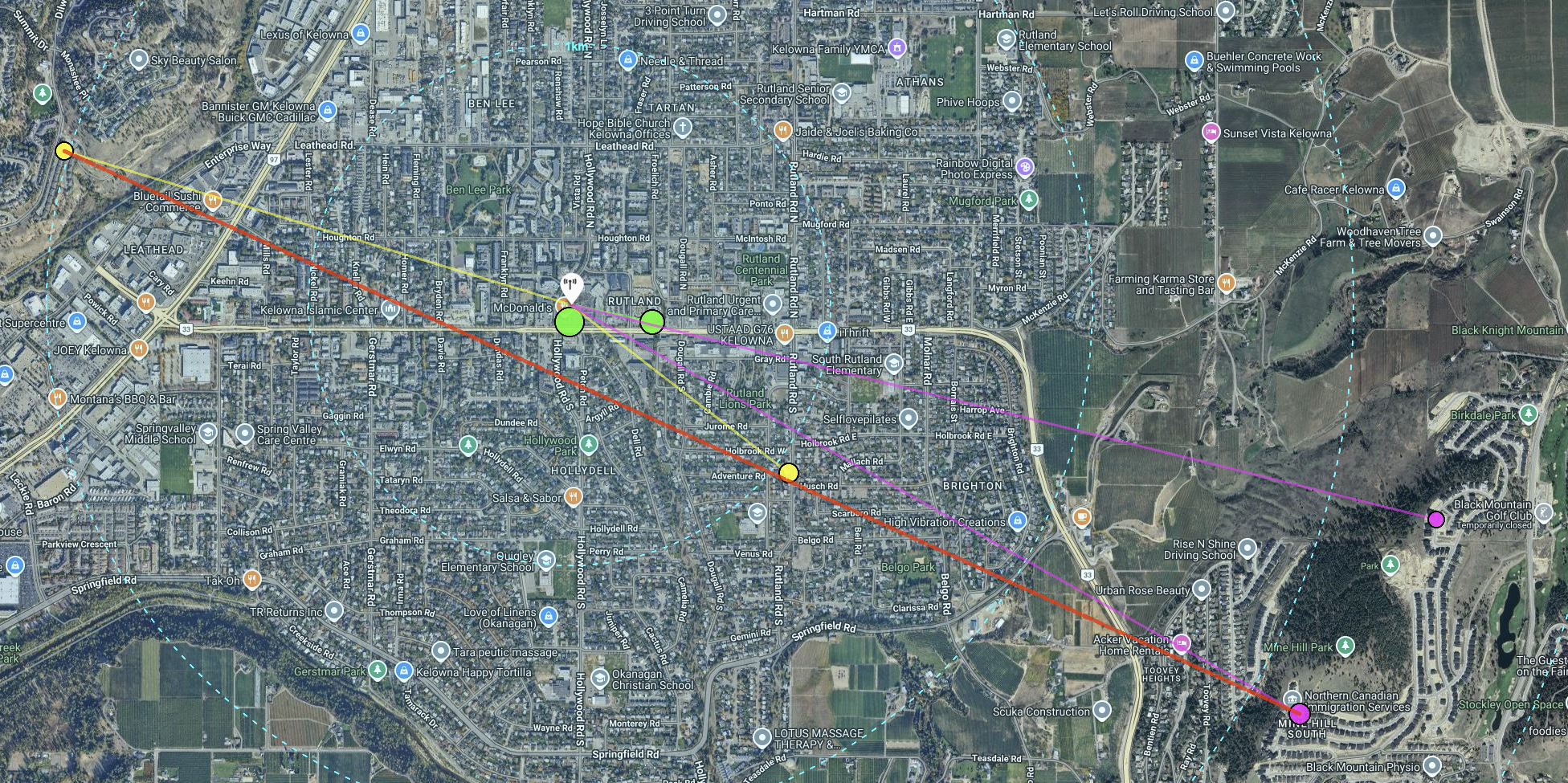
With LoRa, outdoor testing in Kelowna demonstrated:
- Up to 7 km communication range
- Stable links under line-of-sight conditions
- Sensitivity to terrain and obstruction
We demonstrated this across multiple locations in Kelowna, BC.
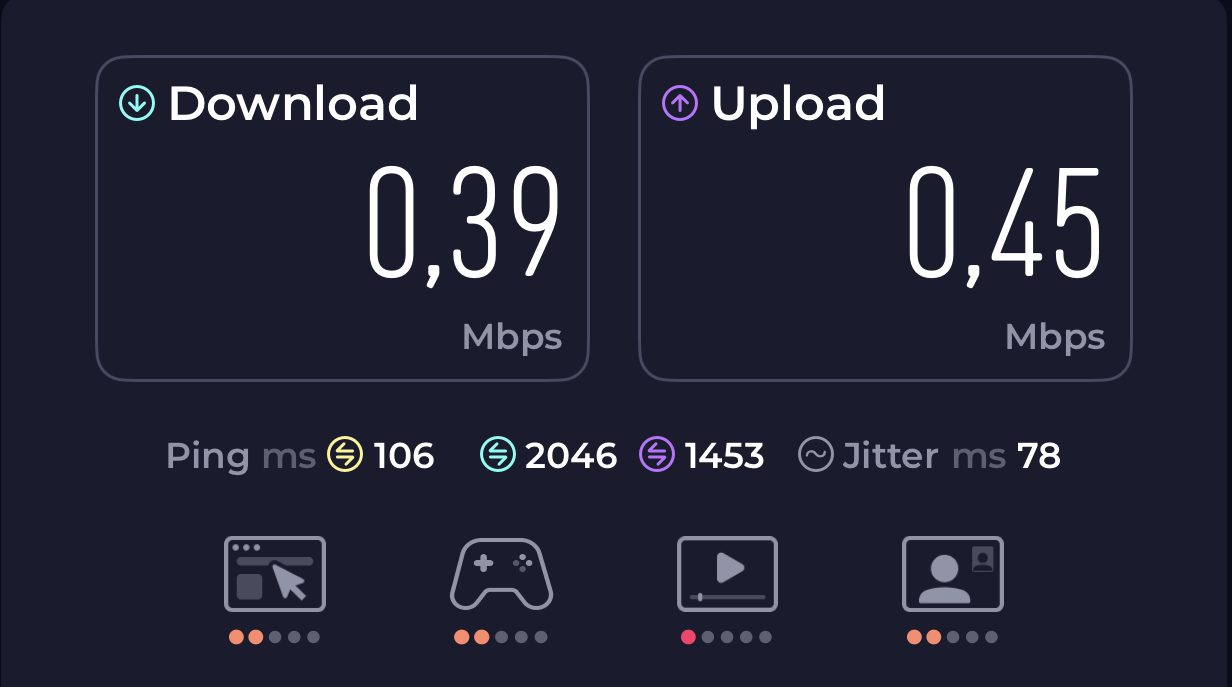
Wifi-Halow was able to achieved ~4.9 Mbps throughput at a short range. With the complete communication chain (Phone → HaLow → HAP → LTE → Internet), we acheived:
- Download: 0.39 Mbps
- Upload: 0.45 Mbps
- Latency: ~106 ms
This was sufficient bandwidth for the low-bandwidth applications specified in our design
Key Outcomes and Insights
This project showed that a layered communication system combining LoRa, Wi-Fi HaLow, and LTE can effectively balance range, throughput, and connectivity within a single platform. LoRa provided reliable long-range, low-power communication, while HaLow improved local data rates, and LTE enabled full internet backhaul. With this configuration, we acheived all of our client's design specifications (eg. 5km+ range) and developed a platform future teams can work off of and built a more commerical product.
This project showed me best how quickly system complexity grows with integration. While each subsystem worked well independently, combining them introduced challenges in hardware interfacing, physical fitment, and network coordination that we complete unexpected. Testing also allowed us to see the impact of real-world factors such as terrain and hard limitations on performance. Nonetheless, this project was one of the most educational things I did throughout my degree.
Reflection
This project was a great showcase of the importance of the engineering design process and how good engineering is about trade-offs, not just adding features. Expanding capability often increases complexity, which can create new points of failure. Focusing on reliability, maintainability, and controlled iteration proved just as important as implementing new features throughout all the integration work we did in this project.
On a personal level, I improved my ability to navigate uncertain design decisions and debug issues across hardware and software. It also taught me how to navigate team dynamics with different working styles and managing scope while exploring new ideas. On the technical side, working with multiple communication protocols enhanced my understanding of embedded networking and how networks work in general.
To further document this, I wrote a detailed self-reflection about this project and what it taught me on a seperate page which can be visited by clicking the button below.
Project Poster